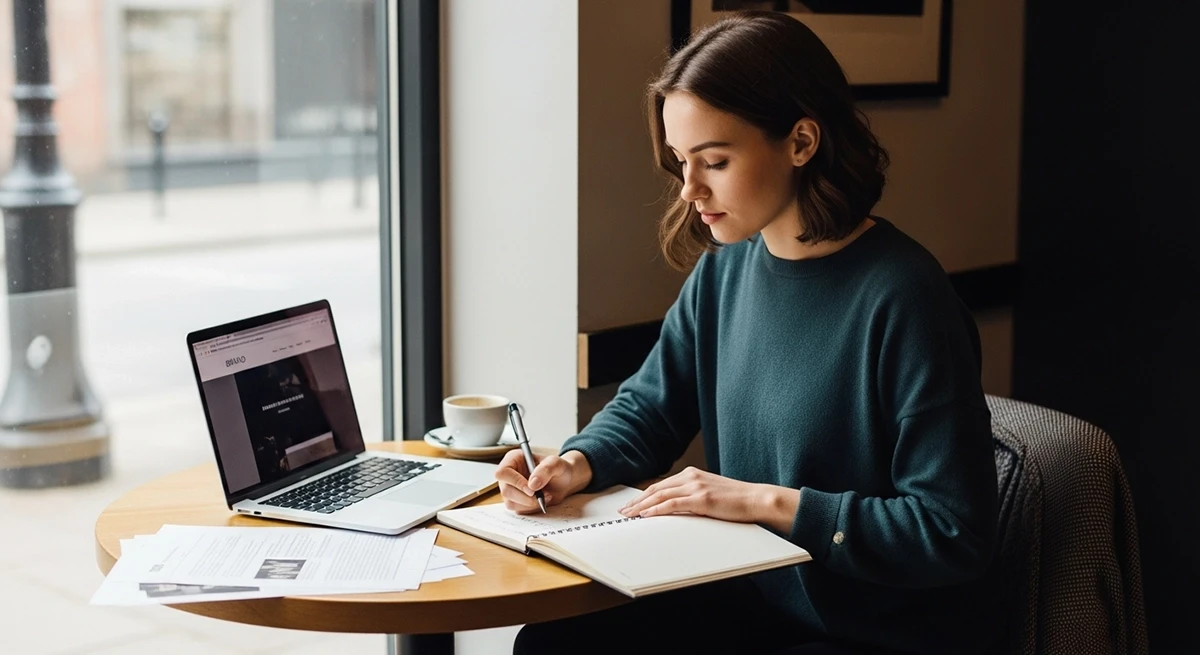
AI has put powerful tools in everyone's hands. That's exactly why we need experts more than ever.
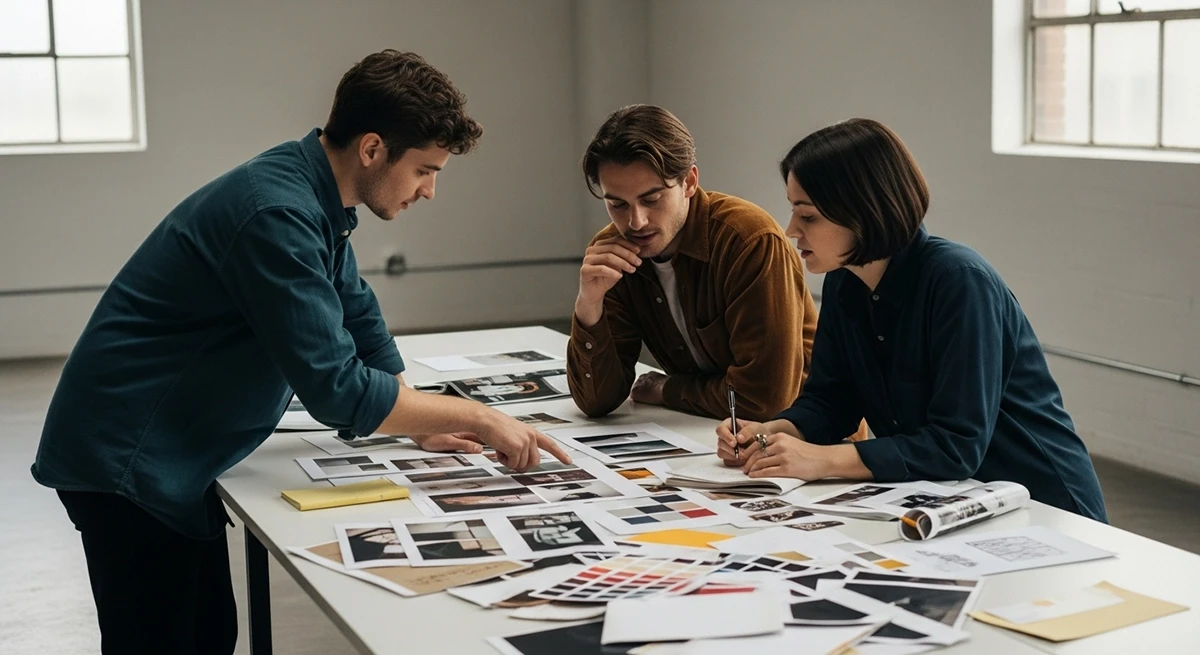
When digital cameras arrived, some photographers panicked. Anyone could shoot without paying for film. The barrier was gone. What happened instead: the tools democratised, and taste became the differentiator. We're living through the same moment with AI, only faster.
Midjourney, Claude, ChatGPT, Runway. If you have a browser, you can generate a brand identity, a product film, or a social campaign in an afternoon. The tools are remarkable. They are also available to everyone, which is precisely the problem.
When everyone can make something, making something good becomes rare again. Taste is the new scarcity.
Here's what the AI optimists consistently miss: tools don't think strategically. They don't know your brand's history, your audience's anxieties, or the cultural moment you need to speak into. They optimise for the average. That makes it forgettable. Prompt an image generator without creative direction and you get an output that is technically competent and oddly hollow. The aesthetics of taste without any substance to it.
What great creative minds bring to the table is not about execution alone. It's judgment. Knowing when to break the grid. Knowing that "bold and modern" is the brief but "trusted and quietly confident" is the need. Knowing that a brand's tone of voice should feel like a person, not a policy document. Those calls require years of looking hard at what works and why. They can't be prompted into existence.
Think of AI as a brilliantly fast collaborator with no taste of its own. For us, it accelerates research, prototyping, and iteration. It gives us more time for the thinking that actually matters. But left unsupervised, it will give you exactly what you asked for, not what you needed. Someone who knows the difference has to be in the room and take AI by the virtual hand, in order to lead it to something brilliant.
Audiences are already developing a sensitivity to AI slop. It has a particular frictionlessness that registers as nobody cared. For brands building genuine connection, that's not an aesthetic problem. It's a reputational one.
The studios that matter in the next decade won't be the ones that reject AI, or the ones that outsource everything to it. They'll be the ones that use it as a multiplier on genuine creative intelligence.
Everyone has the tools. What brands need now are the experts.
Read More.
Stay ahead in the digital world with expert insights on branding, design, and marketing.